Wildlife control is more than setting a device or removing an animal. Professionals evaluate animal activity, building conditions, public safety, applicable requirements, and the long-term changes that may prevent a conflict from returning.
Inspection and problem definition
A customer may report a noise in the attic, an animal under a deck, damaged landscaping, or droppings in a commercial building. The operator's first task is to define the problem. That can involve interviewing the customer, inspecting the structure and surrounding property, identifying evidence, and considering how animals are moving through the site.
Accurate identification matters because species, season, building location, and the presence of young can change the appropriate response. When evidence is incomplete, a professional may recommend monitoring or a follow-up inspection rather than promising an immediate conclusion.
Removal, control, and responsible decision-making
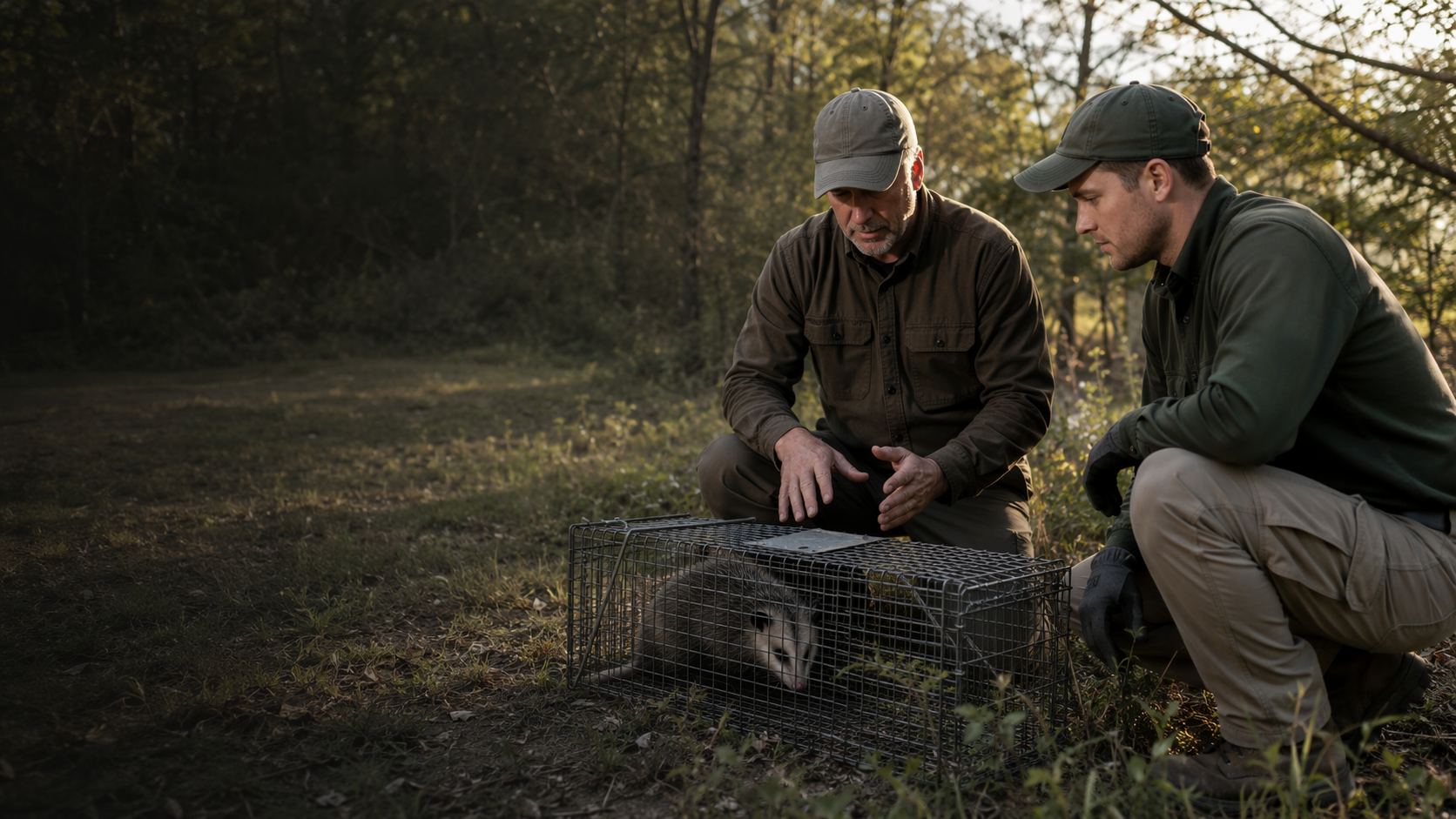
The response depends on the species and situation. A plan may involve capture, one-way exclusion, eviction methods, habitat changes, deterrence, or another lawful control approach. Operators must account for animal welfare, risks to non-target animals, customer safety, and the conditions of the property.
No single technique is appropriate for every conflict. A method that works for an animal in an outbuilding may be unsuitable for an occupied home, chimney, or maternity site. Professionals explain the recommended approach and any steps occupants should take while work is underway.
Exclusion and structural prevention
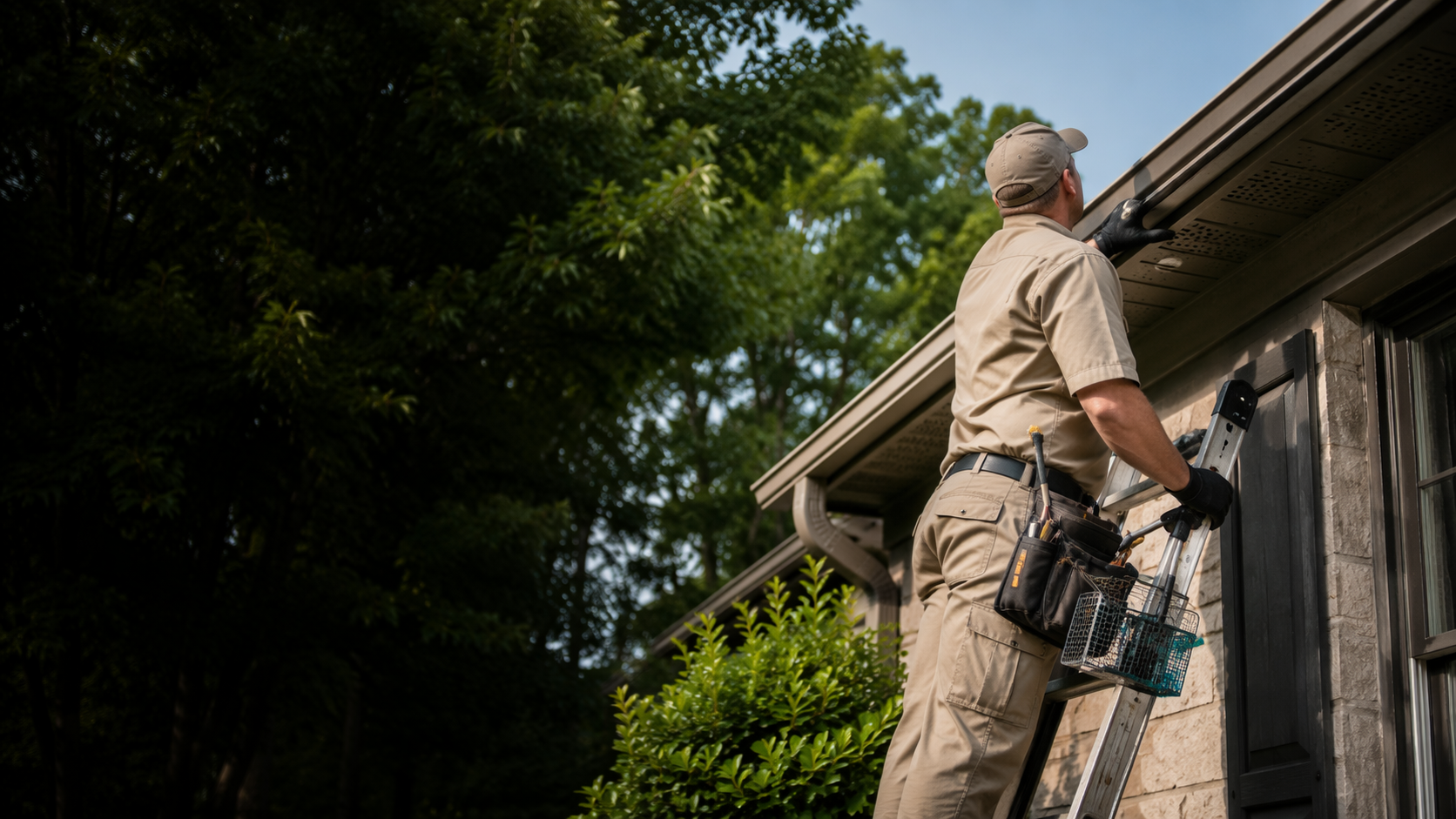
Exclusion means correcting access points or building vulnerabilities so animals cannot continue using them. This work can include screening vents, securing gaps, installing chimney protection, reinforcing vulnerable materials, or recommending repairs by another qualified trade.
Timing is essential. Sealing a structure before animals have exited can trap them inside or move activity into another part of the building. A professional exclusion plan identifies active and inactive openings, coordinates removal with repairs, and describes what the customer should monitor afterward.
- Primary and secondary access points
- Materials appropriate for the location and species pressure
- Weather, roof, and ventilation considerations
- Whether repairs are included in the wildlife-control agreement
- Inspection or warranty terms after the work is complete
Cleanup, documentation, and customer education
Some companies provide cleanup, deodorizing, insulation services, minor repairs, or sanitation recommendations. Others focus on inspection, animal control, and exclusion. Customers should receive a clear scope identifying which services are included and which require another contractor.
Documentation can include inspection findings, photographs, service records, invoices, monitoring notes, and warranty terms. Customer education is equally important: understanding attractants, maintenance needs, and signs of renewed activity helps the property owner participate in prevention.
Professional responsibilities in Kentucky
Kentucky wildlife-control operators are responsible for understanding the current requirements that apply to their work. Permit conditions, reporting, allowed methods, species rules, disposition, and other obligations can change. Operators should confirm current information directly with the Kentucky Department of Fish and Wildlife Resources.
KYWCOA supports the profession through education, industry communication, advocacy, and public referrals. People interested in entering the field can review our step-by-step Become a WCO guide, while property owners can use the directory to locate a professional serving their county.
Continue reading