Wildlife-control estimates can be difficult to compare because companies may recommend different combinations of inspection, removal, exclusion, repair, cleanup, and monitoring. Understanding the scope behind the price helps property owners make a more informed choice and reduces surprises after work begins.
Begin with the inspection findings
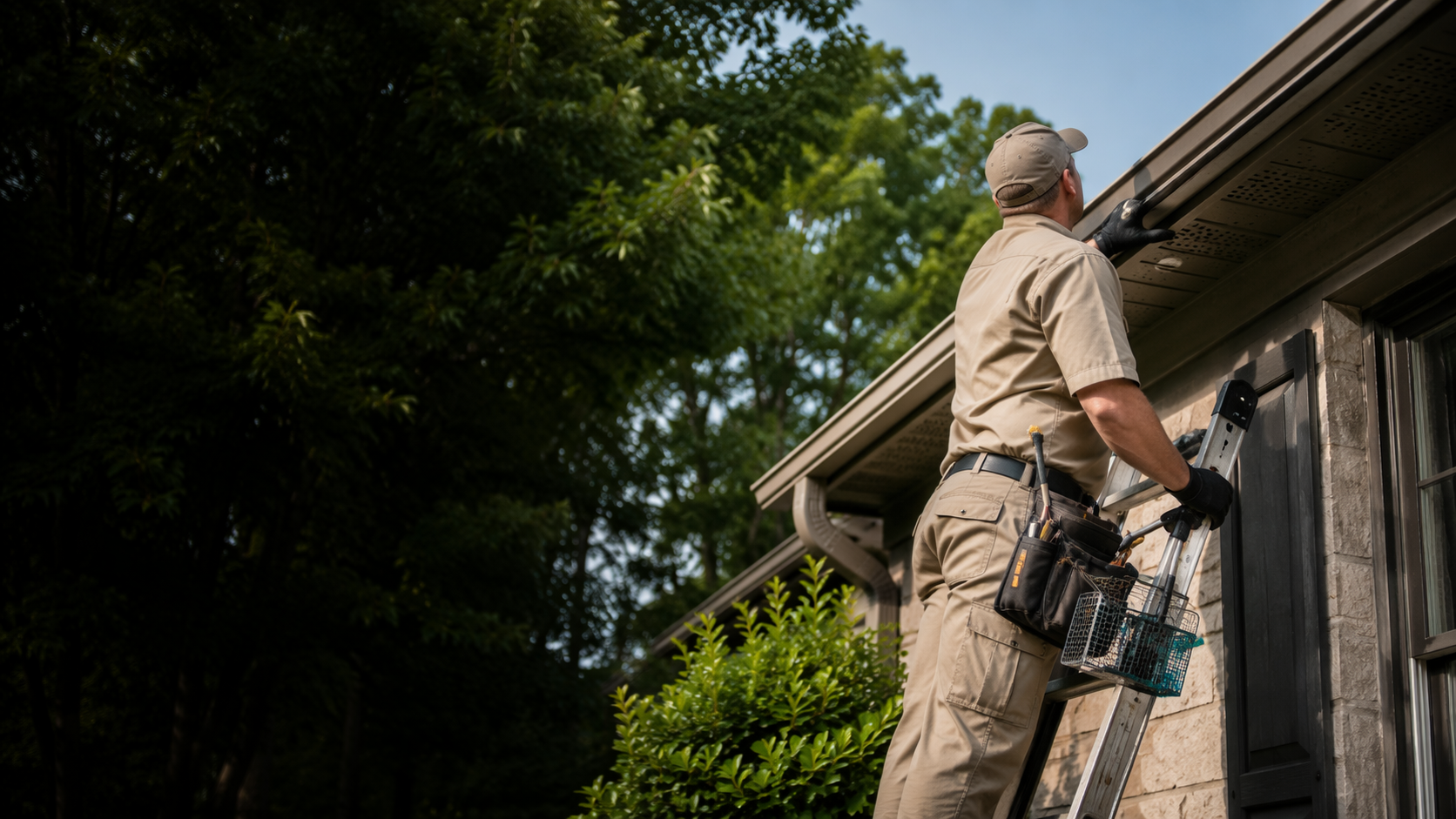
A useful estimate connects the recommended work to evidence found at the property. It may identify likely species, active and inactive openings, damaged materials, nesting or denning areas, sanitation concerns, and conditions that could lead to another conflict. Photographs can make roofline or crawl-space findings easier to understand, but they should support a clear explanation rather than replace it.
Wildlife evidence is not always conclusive during one visit. Weather, season, building access, and intermittent activity can affect what an operator sees. If monitoring or another inspection is needed before the plan is final, the estimate should explain that next step and any associated cost.
Separate removal from exclusion
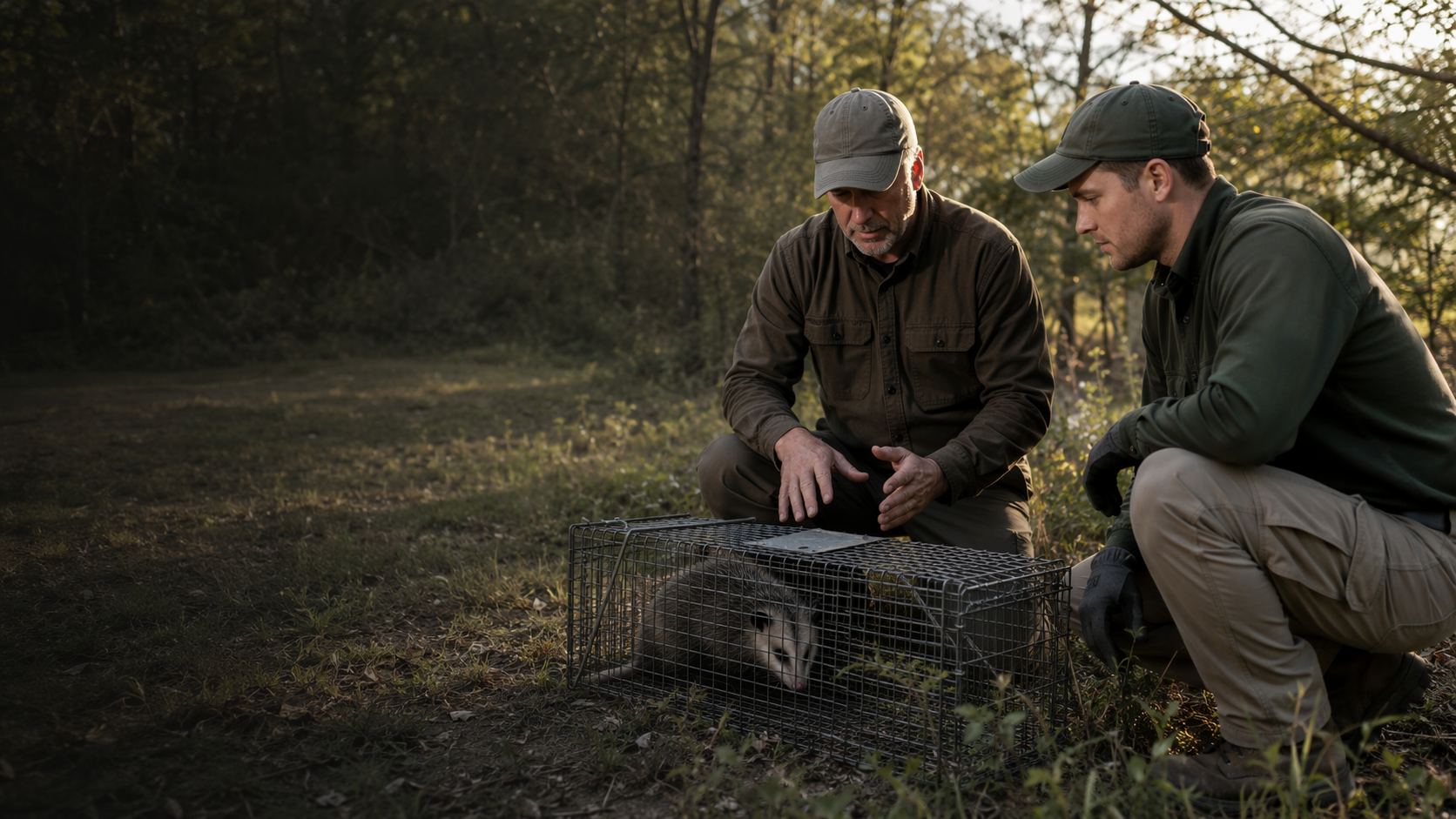
Removal addresses animals currently involved in the conflict. Exclusion addresses the openings or structural weaknesses that allow access. These services often work together, but an estimate may include one and not the other. A low initial price can represent only a removal visit, while a broader proposal may cover several visits and repairs.
Look for details about the proposed method, where devices or one-way exits may be placed, how often they will be checked, and what happens when activity ends. For exclusion work, the proposal should identify which openings will be repaired and the general materials or approach that will be used.
- Is the quoted removal cost per visit, per device, per animal, or for the complete job?
- Are secondary openings included in the exclusion scope?
- Will repairs be completed during the same visit or after activity has stopped?
- Who removes devices and confirms that the work is complete?
- Are cleanup, deodorizing, or insulation services included or priced separately?
Understand variables and additional charges
Some conditions cannot be confirmed until work begins. Hidden damage, inaccessible areas, multiple species, or unexpected building conditions can change a project. A professional proposal should describe known variables and explain how additional work will be approved rather than leaving the final cost open-ended.
Ask whether travel, equipment, lift access, after-hours response, disposal, permit-related costs, or return visits are included. If the estimate uses allowances or unit pricing, request an example of how those charges could affect the total.
Review follow-up and warranty language
A warranty is only useful when its coverage is understandable. Read which repairs or areas are covered, how long coverage lasts, what the property owner must maintain, and which events can void the warranty. New storm damage, construction changes, deterioration, or openings outside the original scope may not be covered.
The proposal should also explain how to report renewed activity and whether a follow-up inspection has a charge. Keep the agreement, invoice, photographs, and service notes together so both parties can refer to the original scope later.
Compare complete solutions
When reviewing multiple estimates, create a simple list of inspection, removal, exclusion, repair, cleanup, follow-up, and warranty items. This makes differences visible and helps you identify questions that the total prices alone do not answer.
Choose the proposal that clearly addresses the evidence, risks, and goals for your property. Use the KYWCOA directory to find operators serving your county, then discuss the written scope directly with the company before authorizing service.
Continue reading