A wildlife-control career combines animal knowledge, building inspection, customer service, field safety, documentation, and small-business judgment. People entering the profession should prepare for more than animal removal: successful work requires responsible decisions at the intersection of wildlife and the built environment.
Understand the day-to-day work
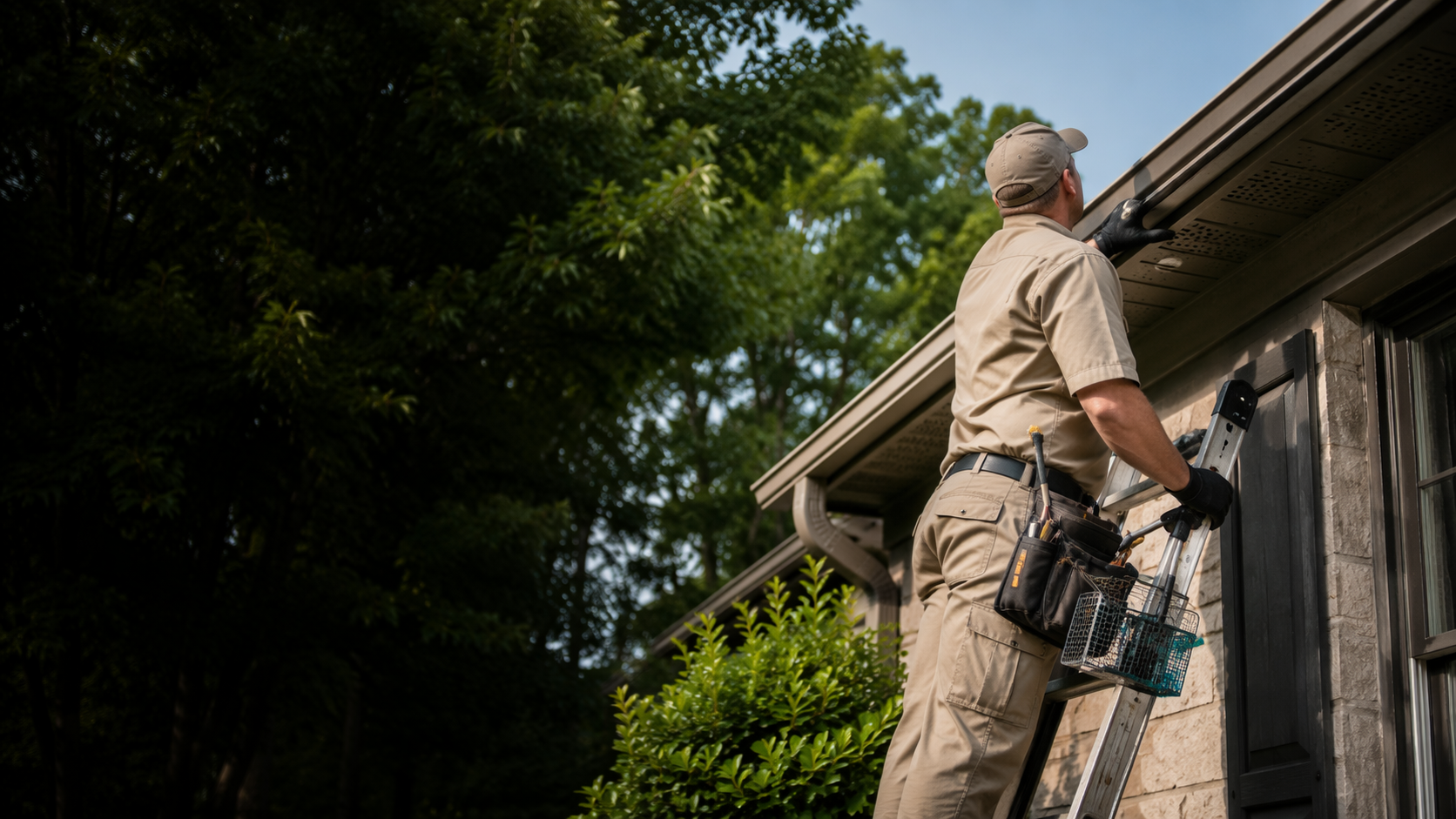
A typical day may include answering customer calls, inspecting attics or crawl spaces, identifying tracks and damage, setting and checking equipment, completing exclusion repairs, documenting service, and explaining prevention steps. Scheduling can change quickly when urgent indoor conflicts, weather, or animal activity affect a planned route.
The work is physically demanding and often takes place in heat, cold, dust, tight spaces, or elevated locations. It also requires patience. Evidence may be incomplete, customers may be anxious, and a responsible operator must avoid promising a result before the situation is understood.
Build a broad foundation of skills
Species identification and behavior are central, but they are only part of the profession. Operators benefit from understanding residential and commercial construction, roof and ventilation systems, moisture, insulation, safe ladder practices, respiratory protection, sanitation, and basic repair materials.
Communication is equally important. Customers need a clear explanation of findings, options, costs, responsibilities, and follow-up. Strong photographs, notes, contracts, and invoices support that communication and create a reliable service record.
- Wildlife sign, behavior, reproduction, and seasonal activity
- Inspection methods for roofs, attics, crawl spaces, foundations, and outbuildings
- Removal, exclusion, monitoring, and non-target safety
- Personal protective equipment and job-site risk assessment
- Written proposals, customer education, and service documentation
Confirm permits and operating requirements
Requirements can apply to permits, methods, species, reporting, transport, disposition, and other parts of wildlife-control work. Because rules and permit conditions can change, prospective operators should use current information from the Kentucky Department of Fish and Wildlife Resources rather than relying on an old checklist or another company's practices.
A business may also need local licensing, insurance, tax registration, vehicle and equipment compliance, and workplace-safety procedures. Requirements vary by business structure and location, so obtain guidance from the agencies and qualified advisers responsible for those areas.
Gain experience before working alone
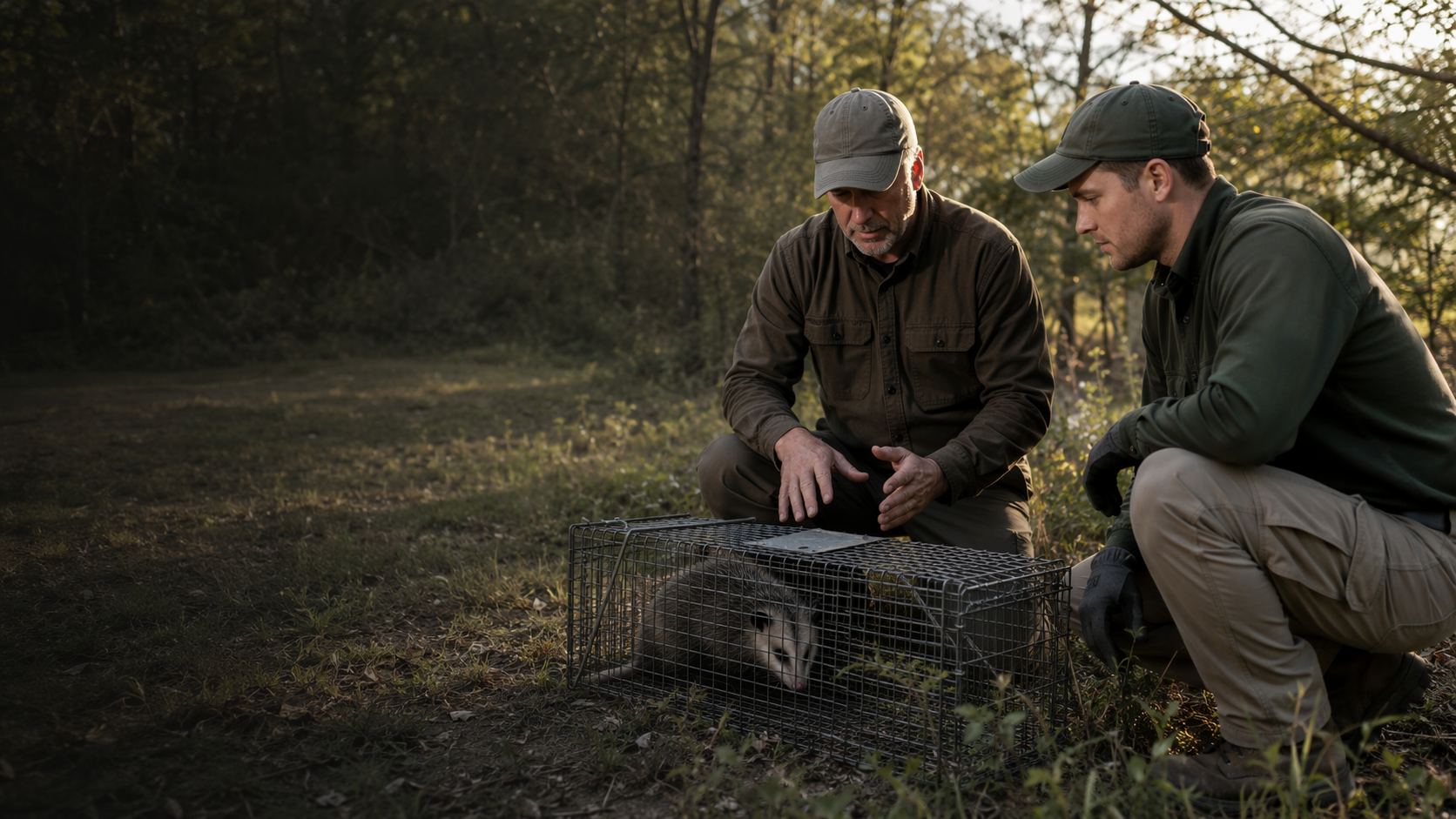
Training courses can establish important concepts, but supervised field experience shows how animal evidence and building conditions vary from one property to another. Mentoring, ride-alongs where available, manufacturer training, and professional-association education can help a new operator turn classroom knowledge into sound decisions.
Begin within the limits of your training, equipment, and insurance. Complex bat work, steep roofs, confined spaces, large waste accumulations, aggressive animals, and uncertain species can require additional expertise or another contractor. Knowing when to refer or collaborate is a professional strength.
Plan for a sustainable business
Service pricing must account for inspection time, travel, equipment, return visits, materials, administrative work, insurance, and the possibility that a job will take longer than expected. Clear contracts should define the work, customer responsibilities, payment terms, variables, and warranty limits.
KYWCOA supports Kentucky professionals through education, communication, advocacy, and industry connections. Prospective operators can use the association's Become a WCO guide as a starting point and verify all current regulatory steps before offering services.
Continue reading