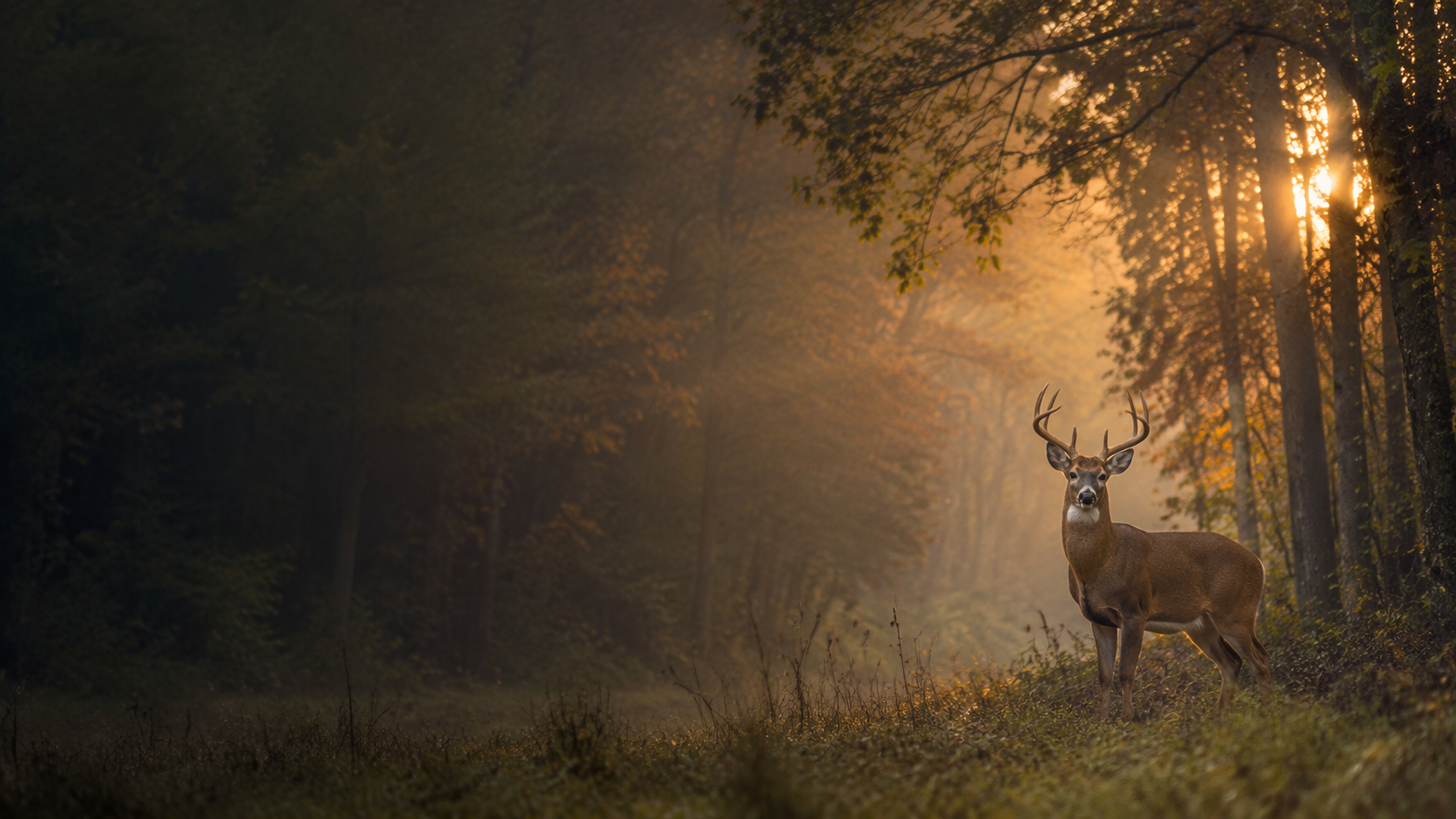
Wildlife activity around a property changes throughout the year. Breeding, raising young, heat, cold, food availability, and seasonal weather can all affect where animals seek shelter. Routine observation and timely maintenance can reduce opportunities for wildlife to enter a structure.
Spring: watch for nesting and dependent young
Spring brings increased nesting and denning activity. Attics, wall voids, chimneys, sheds, decks, and crawl spaces can offer protected places to raise young. Property owners may first notice scratching, movement at dawn or dusk, nesting material, or repeated travel to one opening.
This is a particularly important time to avoid closing an active opening without an inspection. Separating an adult from dependent young can create animal-welfare concerns, odors, damage, and a more complicated removal. Note where activity occurs and contact a wildlife-control professional before making structural changes around an occupied site.
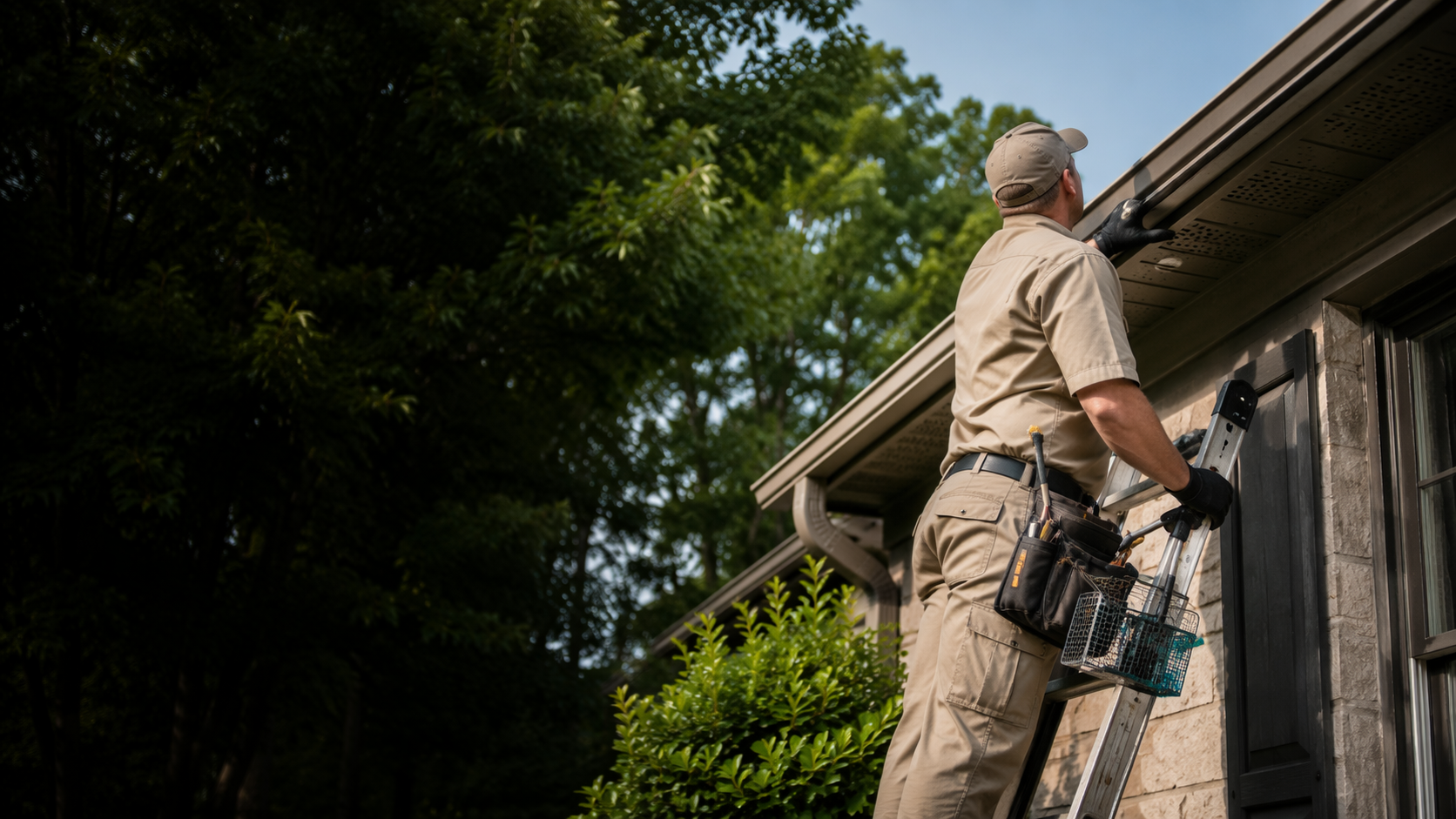
- Observe roof edges, attic vents, soffits, and chimney caps from the ground.
- Check sheds and outbuildings before opening them for the season.
- Repair loose screening only after confirming the space is unoccupied.
- Keep people and pets away from young or injured wildlife.
Summer: manage food, water, and access
Warm weather increases outdoor activity for people and wildlife. Open doors, damaged screens, pet food, bird seed, unsecured garbage, fallen fruit, and standing water can create opportunities or attractants. Dense vegetation touching the structure may also make it harder to see developing damage.
Store animal feed and household waste in durable containers, clean grills after use, and address water leaks. Trim vegetation where appropriate so the foundation and lower exterior remain visible. These steps do not make a property wildlife-proof, but they can reduce easily preventable conflicts.
Fall: inspect before temperatures drop
As nights cool, some animals search for protected winter shelter. Fall is a useful time for a careful exterior inspection—especially after summer storms or roof work. Look for damaged louvers, missing vent screens, gaps around utility penetrations, deteriorated foundation openings, and loose materials along the roofline.
Schedule repairs before cold weather when practical, but treat signs of active use as an inspection issue rather than a simple maintenance task. An opening that appears small can connect to a larger void, and the visible damage may not show the full travel path.
- Confirm chimney caps and vent covers remain secure.
- Look for fresh staining, tracks, droppings, chewing, or disturbed insulation.
- Move stored materials away from walls where they conceal activity.
- Review doors, thresholds, and weather seals on garages and outbuildings.
Winter: respond to indoor signs promptly
Winter activity may be less visible outdoors, but sounds or odors inside a structure should not be ignored. Scratching in a ceiling, movement in a wall, or unexplained damage can indicate wildlife, rodents, or another building issue. Record when and where the signs occur rather than cutting into a wall or entering a confined area without a plan.
Wildlife can bite, scratch, carry parasites, damage wiring or insulation, and react unpredictably when cornered. Keep interior doors closed when an animal is confined to one room, move people and pets away, and contact an appropriate professional for guidance.
Know when prevention becomes professional work
Routine maintenance is different from working around an active animal. Roof access, chimney work, bat activity, aggressive behavior, unknown species, large accumulations of waste, and animals inside occupied rooms can require specialized knowledge and safety controls.
Use the KYWCOA directory to find professionals who serve your county. Explain what you observed and ask whether inspection, removal, exclusion, repair, or cleanup services are available for the situation.
Continue reading